



Hey there! As a supplier of TPE hoses, I often get asked whether TPE hoses are easy to cut and splice. Well, let's dive right into it and explore this topic in detail.
First off, let's talk about what TPE is. TPE stands for Thermoplastic Elastomer. It's a type of material that combines the properties of rubber and plastic. This unique combination gives TPE hoses some pretty awesome characteristics. They're flexible, durable, and resistant to a variety of chemicals and environmental factors.
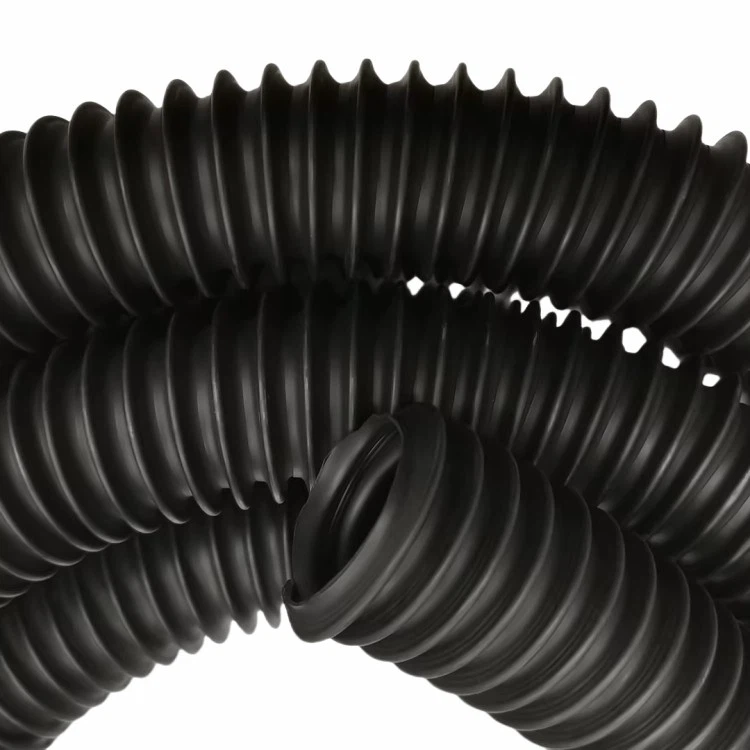

Now, when it comes to cutting TPE hoses, the good news is that it's generally quite easy. Unlike some other types of hoses made from rigid materials, TPE hoses can be cut with common tools. You don't need any fancy or specialized equipment. A sharp utility knife or a pair of good - quality scissors can do the job just fine.
One of the reasons why cutting TPE hoses is easy is their flexibility. The material is soft enough to be easily penetrated by the cutting edge of a knife or scissors. You can make clean, straight cuts without much effort. Just make sure to measure the length you need accurately before you start cutting. Mark the hose with a marker or a piece of tape, and then go ahead and make your cut.
Another advantage of TPE hoses when it comes to cutting is that they don't fray easily. Once you make the cut, the edges of the hose remain relatively smooth. This is important because frayed edges can cause problems when you're trying to splice the hose or connect it to other components.
Let's move on to splicing. Splicing a TPE hose is also a relatively straightforward process. There are a few different methods you can use, depending on your specific needs and the equipment you have available.
One common method is using a hose splicing kit. These kits usually come with everything you need to make a strong, reliable splice. They typically include a connector, some adhesive, and instructions on how to use them. To use a splicing kit, you first clean the ends of the hoses that you want to splice. Then, you apply the adhesive to the connector and the hose ends. After that, you insert the connector into the hose ends and let the adhesive dry. This creates a tight seal that prevents leaks.
Another method is using heat to splice the hoses. TPE is a thermoplastic material, which means it can be melted and reformed when heated. You can use a heat gun or a similar tool to heat the ends of the hoses until they become soft and sticky. Then, you press the two ends together and hold them in place until they cool and bond. This method requires a bit more skill and caution because you need to be careful not to overheat the hose and damage it.
However, there are a few things to keep in mind when cutting and splicing TPE hoses. First, make sure you're working in a clean environment. Any dirt or debris on the hose can affect the quality of the cut and the splice. Second, follow the manufacturer's instructions carefully, especially when using a splicing kit or heat to splice the hoses.
Now, let's talk about some of the applications where the ease of cutting and splicing TPE hoses comes in handy. For example, in industrial settings, hoses often need to be customized to fit specific equipment or setups. The ability to easily cut and splice TPE hoses allows workers to make these customizations quickly and easily.
In the automotive industry, TPE hoses are used for various purposes, such as coolant systems and fuel lines. Mechanics can cut and splice these hoses on - site to repair or replace damaged sections, saving time and money.
If you're in the market for a high - quality hose that's easy to cut and splice, consider our TPE hoses. We offer a wide range of TPE hoses, including the Chemical Smoke Hose. These hoses are designed to meet the highest standards of quality and performance. Whether you need a hose for industrial, automotive, or any other application, we've got you covered.
Our TPE hoses are made from the best - quality materials and are manufactured using the latest technology. This ensures that they're not only easy to cut and splice but also durable and long - lasting.
If you're interested in learning more about our TPE hoses or have any questions about cutting and splicing them, don't hesitate to get in touch. We're here to help you find the right hose for your needs and provide you with all the support you need. Contact us today to start a discussion about your requirements and let's see how we can work together to meet your hose needs.
In conclusion, TPE hoses are indeed easy to cut and splice. Their flexibility, resistance to fraying, and thermoplastic properties make them a great choice for a wide range of applications. Whether you're a professional in an industrial setting or a DIY enthusiast, you'll find that working with TPE hoses is a breeze.
References
- Industry standards for TPE hose manufacturing
- Manufacturer's guides for TPE hose cutting and splicing


