



Hey there! I'm a supplier of TPE hoses, and today I wanna chat about one of the most common questions I get: Are TPE hoses flexible? Well, let's dive right in and find out.
First off, let's talk a bit about what TPE is. TPE stands for Thermoplastic Elastomer. It's a material that combines the best of both worlds - the flexibility of rubber and the processability of plastics. This unique combination makes TPE a popular choice for all sorts of applications, especially in the hose industry.
Now, back to the main question - are TPE hoses flexible? The short answer is yes, they are! TPE hoses are known for their excellent flexibility. Unlike some traditional hoses made from rigid materials, TPE hoses can bend and twist without cracking or breaking. This flexibility makes them really easy to install and use in various settings.
One of the reasons why TPE hoses are so flexible is their molecular structure. TPE materials have a network of polymer chains that can move and stretch when the hose is bent. This allows the hose to adapt to different shapes and angles without losing its integrity.
Another factor that contributes to the flexibility of TPE hoses is their manufacturing process. During production, TPE is melted and molded into the desired shape. This process gives the hose a smooth and uniform surface, which further enhances its flexibility.
But the flexibility of TPE hoses isn't just about being able to bend easily. It also means that they can withstand repeated flexing without showing signs of wear and tear. This is really important in applications where the hose needs to be moved or adjusted frequently.
For example, in industrial settings, TPE hoses are often used to transfer fluids or gases between different pieces of equipment. The flexibility of these hoses allows them to be routed around obstacles and connected to various ports without causing any stress on the hose. This not only makes the installation process easier but also reduces the risk of leaks and failures.
In the automotive industry, TPE hoses are used in a wide range of applications, such as coolant hoses, fuel hoses, and air intake hoses. The flexibility of these hoses allows them to adapt to the vibrations and movements of the engine, ensuring a reliable and efficient operation.
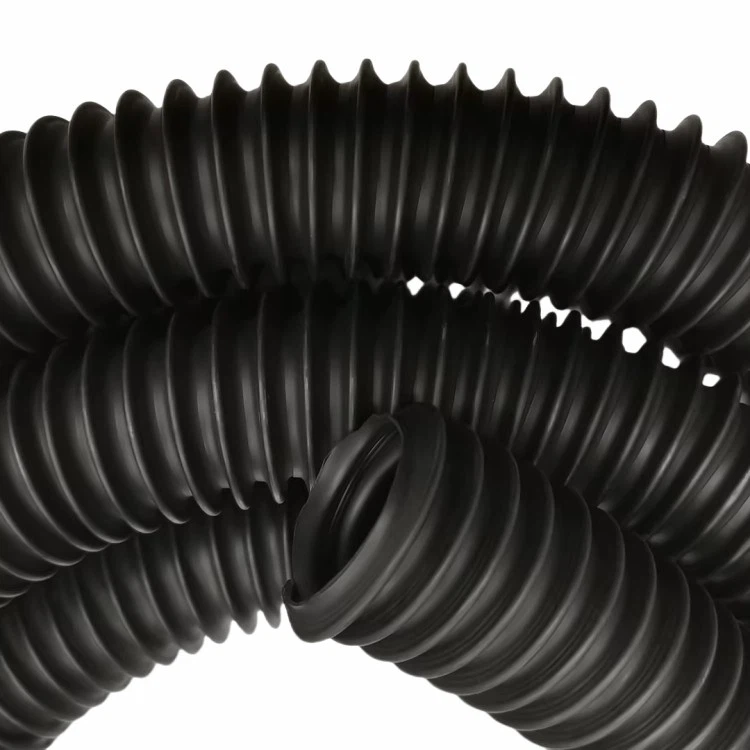

In addition to their flexibility, TPE hoses also offer other advantages. They are resistant to chemicals, abrasion, and UV radiation, which makes them suitable for use in harsh environments. They are also lightweight, which makes them easier to handle and install.
Now, let's take a look at one specific type of TPE hose - the Chemical Smoke Hose. This hose is designed to handle the transfer of chemical fumes and smoke in industrial settings. Its flexibility allows it to be easily routed around machinery and connected to exhaust systems, ensuring a safe and efficient removal of hazardous substances.
So, if you're in the market for a flexible and reliable hose, TPE hoses are definitely worth considering. Whether you need a hose for industrial, automotive, or other applications, TPE hoses can provide the performance and durability you need.
If you're interested in learning more about our TPE hoses or have any questions about your specific application, feel free to reach out to us. We'd be happy to help you find the right hose for your needs and discuss the details of a potential purchase.
References
- "Thermoplastic Elastomers: Structure, Properties, and Applications" by B. M. Jayadev and S. K. De
- "Handbook of Thermoplastic Elastomers" edited by N. R. Legge, G. Holden, and H. E. Schroeder


