



Hey there! As a TPE hose supplier, I often get asked a bunch of questions about our products. One query that pops up quite a bit is, "Are TPE hoses resistant to fungus and mold?" Well, let's dig into this topic and find out.
First off, let's talk a bit about TPE. TPE stands for Thermoplastic Elastomer. It's a material that combines the best of both worlds - the flexibility of rubber and the processability of plastic. TPE hoses are used in a wide range of applications, from industrial settings to home use. They're known for their durability, flexibility, and chemical resistance.
Now, onto the big question - fungus and mold resistance. Fungus and mold are types of microorganisms that thrive in moist, warm, and dark environments. They can cause all sorts of problems, from bad odors to health issues, especially if they grow inside hoses that are used for transporting water or other liquids.
The good news is that TPE hoses generally have a pretty good resistance to fungus and mold. This is due to several factors. For starters, TPE materials can be formulated to have anti - microbial properties. Manufacturers can add special additives to the TPE during the production process. These additives work by inhibiting the growth of fungi and mold on the surface of the hose.

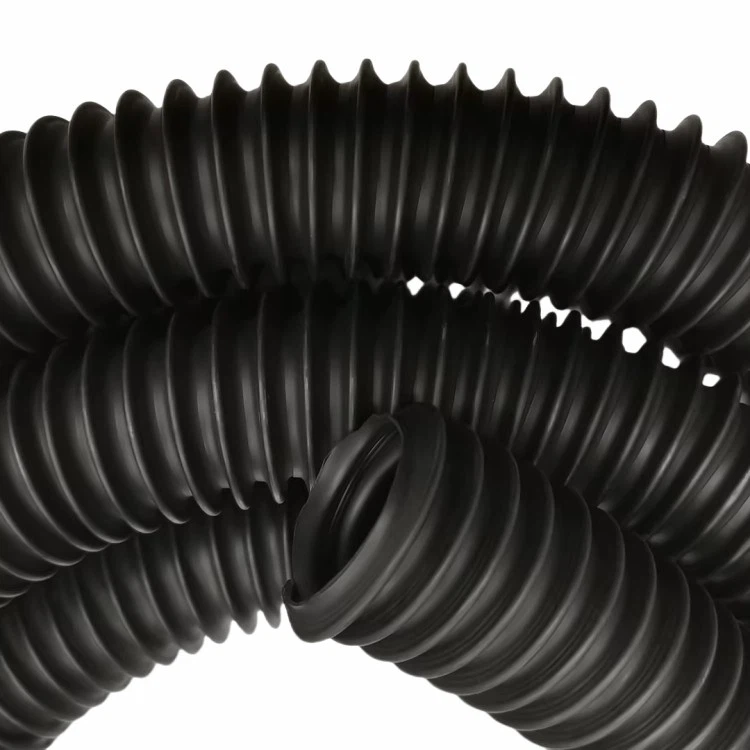
Another reason for the resistance is the smooth surface of TPE hoses. Unlike some other materials that may have rough textures where dirt and moisture can easily accumulate, TPE hoses have a relatively smooth finish. This makes it harder for fungus and mold to attach and grow. Moisture is less likely to pool on the surface, and any debris can be easily washed away.
However, it's important to note that no material is completely immune to fungus and mold. If a TPE hose is constantly exposed to extremely damp conditions without proper ventilation, there's still a chance that fungus or mold could start to grow. For example, if a hose is left coiled up in a wet basement for a long time, it might develop some signs of microbial growth.
In industrial applications, TPE hoses are often used in environments where they may come into contact with various chemicals. Some chemicals can actually help prevent the growth of fungus and mold. For instance, if a TPE hose is used to transport a mild disinfectant or a chemical with anti - microbial properties, it can act as an additional safeguard against microbial growth.
Let's take a look at a specific type of TPE hose, the Chemical Smoke Hose. This hose is designed for use in environments where there are chemical fumes and smoke. The materials used in its construction are carefully selected to ensure not only chemical resistance but also a certain level of resistance to fungus and mold. Since it's often used in industrial settings where proper ventilation is crucial, the risk of fungus and mold growth is further reduced.
To maintain the fungus and mold resistance of TPE hoses, there are a few simple steps you can take. First, make sure to keep the hoses clean. Regularly rinse them with clean water, especially after they've been used in dirty or damp conditions. If possible, dry the hoses thoroughly before storing them. Avoid storing hoses in areas with high humidity. Instead, choose a dry, well - ventilated place.
If you notice any signs of fungus or mold on a TPE hose, don't panic. You can usually clean it with a mild detergent and water solution. For more stubborn cases, a diluted bleach solution can be used, but make sure to rinse the hose thoroughly afterward to remove any residual bleach.
In conclusion, TPE hoses have a good level of resistance to fungus and mold thanks to their material properties and the possibility of adding anti - microbial additives. But proper care and maintenance are still essential to keep them in top condition. Whether you're using TPE hoses in your home garden or in a large - scale industrial operation, understanding their fungus and mold resistance can help you make the most of these versatile products.
If you're in the market for TPE hoses and have more questions about their performance, durability, or fungus and mold resistance, don't hesitate to reach out. We're here to provide you with the best products and advice. Contact us to start a discussion about your specific needs and how our TPE hoses can meet them.
References:
- General knowledge of TPE materials and their properties in the hose manufacturing industry.
- Industry research on microbial growth on different hose materials.


