



Can a rubber hose be used for pharmaceutical applications?
In the highly regulated and quality - conscious pharmaceutical industry, the selection of materials for various applications is of utmost importance. The question of whether a rubber hose can be used for pharmaceutical applications is one that requires a comprehensive analysis of multiple factors, including material properties, regulatory compliance, and performance requirements. As a rubber hose supplier, I am well - versed in the characteristics of different rubber hoses and their potential suitability for the pharmaceutical field.
Material Properties of Rubber Hoses
Rubber hoses come in a wide variety of types, each with its own unique set of material properties. Natural rubber, for example, is known for its excellent flexibility and resilience. It has good abrasion resistance and can withstand a certain range of temperatures. However, natural rubber may not be the best choice for pharmaceutical applications due to its potential for leaching proteins and other contaminants, which could pose a risk to the purity of pharmaceutical products.
Synthetic rubbers, on the other hand, offer a broader range of properties that can be tailored to specific requirements. Silicone rubber is a popular choice in many industries, including pharmaceuticals. It is highly resistant to high temperatures, has excellent chemical stability, and is non - toxic. Silicone rubber hoses can be sterilized easily, which is a critical requirement in pharmaceutical manufacturing to prevent microbial contamination. They also have low extractable levels, meaning that very few substances will leach out into the pharmaceutical product flowing through the hose.
Another type of synthetic rubber is EPDM (Ethylene Propylene Diene Monomer). EPDM rubber hoses are resistant to a wide range of chemicals, including acids and alkalis. They have good weather resistance and can operate in a relatively wide temperature range. EPDM is also known for its low permeability to gases, which can be beneficial in pharmaceutical applications where maintaining a controlled atmosphere is important.
Regulatory Compliance
The pharmaceutical industry is subject to strict regulations to ensure the safety and efficacy of drugs. Any material used in pharmaceutical manufacturing, including rubber hoses, must comply with relevant regulatory standards. In the United States, the Food and Drug Administration (FDA) has established guidelines for materials that come into contact with pharmaceutical products. These guidelines cover aspects such as the chemical composition of the material, its potential to leach contaminants, and its ability to be cleaned and sterilized.
In Europe, the European Pharmacopoeia (Ph. Eur.) sets standards for pharmaceutical materials. Rubber hoses used in pharmaceutical applications must meet the requirements of Ph. Eur. monographs, which specify the quality and purity of the rubber. For example, the monographs may limit the amount of heavy metals, plasticizers, and other potentially harmful substances in the rubber.
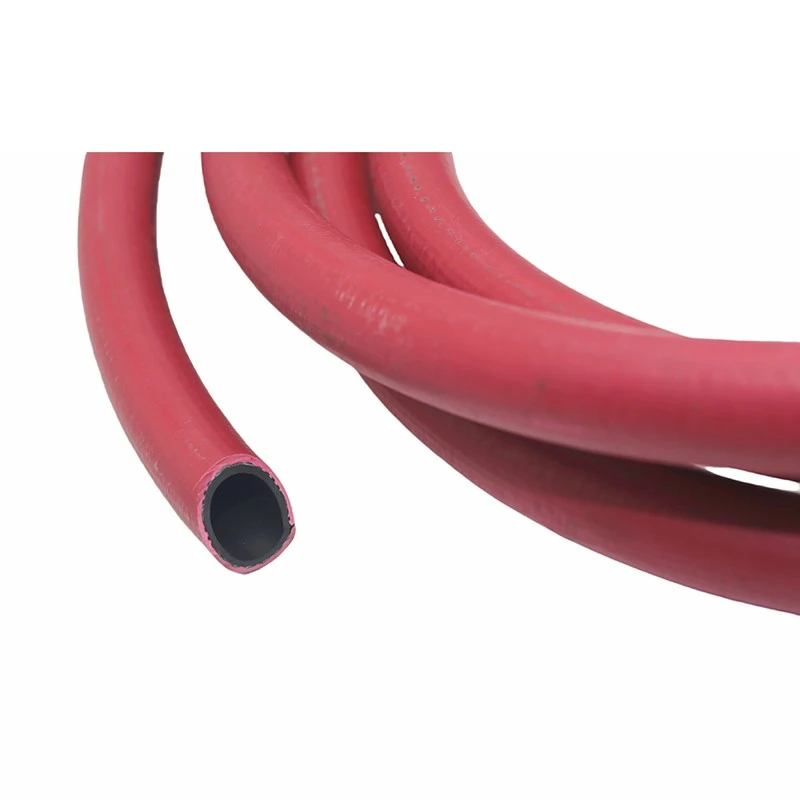
As a rubber hose supplier, we ensure that our hoses are manufactured in accordance with these regulatory standards. We use high - quality raw materials and follow strict manufacturing processes to guarantee the compliance of our products. Our Multipurpose Rubber Hose is designed to meet the basic requirements of various industries, and we can also customize it to meet the specific regulatory needs of the pharmaceutical sector.
Performance Requirements in Pharmaceutical Applications
In pharmaceutical manufacturing, rubber hoses are used for a variety of purposes, such as transferring liquids, gases, and powders. The performance requirements of these hoses depend on the specific application.
For liquid transfer, the hose must have good chemical resistance to the pharmaceutical product being transferred. It should also be able to maintain a consistent flow rate without any leakage. Hoses used for transferring sterile liquids need to be able to withstand repeated sterilization cycles without degrading. Our UPE Rubber Hose is a great option for liquid transfer in pharmaceutical applications. It has excellent chemical resistance and can be easily cleaned and sterilized.
When it comes to gas transfer, the hose should have low permeability to prevent the loss of gases and the ingress of contaminants. It should also be able to withstand the pressure of the gas being transferred. Some pharmaceutical processes require the use of inert gases, such as nitrogen, to create an oxygen - free environment. Rubber hoses used in these applications need to be compatible with the inert gas and maintain their integrity under the specific operating conditions.
In powder transfer, the hose should have a smooth inner surface to prevent the accumulation of powder. It should also be static - dissipative to avoid the build - up of static electricity, which could cause dust explosions.
Advantages of Using Rubber Hoses in Pharmaceutical Applications
There are several advantages to using rubber hoses in pharmaceutical applications. Firstly, rubber hoses are flexible, which allows for easy installation and routing in complex pharmaceutical manufacturing equipment. They can be bent and shaped to fit different spaces, reducing the need for complex piping systems.
Secondly, rubber hoses can provide a good seal, preventing leakage of pharmaceutical products. This is crucial for maintaining the integrity of the manufacturing process and preventing contamination.
Thirdly, rubber hoses are relatively easy to clean and maintain. They can be disassembled for thorough cleaning and can be sterilized using various methods, such as steam sterilization or chemical sterilization.
Challenges and Limitations
Despite the advantages, there are also some challenges and limitations associated with using rubber hoses in pharmaceutical applications. One of the main challenges is the potential for leaching of contaminants. Even though high - quality rubber hoses are designed to have low extractable levels, there is still a risk of trace amounts of substances leaching into the pharmaceutical product over time. This requires careful monitoring and testing to ensure the safety of the final product.
Another limitation is the degradation of rubber over time. Exposure to high temperatures, chemicals, and repeated sterilization cycles can cause the rubber to deteriorate, leading to a decrease in performance and an increased risk of failure. Regular inspection and replacement of rubber hoses are necessary to prevent these issues.
Conclusion
In conclusion, rubber hoses can be used for pharmaceutical applications, provided that they meet the strict material, regulatory, and performance requirements. As a rubber hose supplier, we offer a range of high - quality rubber hoses, such as Multipurpose Rubber Hose, UPE Rubber Hose, and Welding Hose, that can be customized to suit the specific needs of the pharmaceutical industry.
If you are in the pharmaceutical industry and are looking for reliable rubber hoses for your manufacturing processes, we invite you to contact us for a detailed discussion. Our team of experts can provide you with professional advice and solutions to ensure that you get the most suitable rubber hoses for your applications.

References
- Food and Drug Administration (FDA). Guidelines for Materials in Contact with Pharmaceutical Products.
- European Pharmacopoeia (Ph. Eur.). Monographs on Pharmaceutical Materials.
- Textbooks on Pharmaceutical Manufacturing Technology.


