



Hey there! As a supplier of helix PVC hoses, I often get asked a bunch of questions about the uses of these hoses. One question that pops up quite a bit is, "Can helix PVC hose be used for oil transfer?" Well, let's dive right into it and find out.
First off, let's understand what helix PVC hoses are. These hoses are made from polyvinyl chloride (PVC), which is a widely used plastic material. They have a spiral helix structure, which gives them some unique properties. This structure provides added strength and flexibility to the hose, making it suitable for various applications. You can check out our Spiral Helix PVC Hose on our website to get a better idea of what they look like.
Now, when it comes to oil transfer, there are a few factors we need to consider. One of the main things is the type of oil. Different oils have different chemical compositions, viscosities, and temperatures at which they operate. For example, there are light oils like gasoline and diesel, and then there are heavier oils like lubricating oils and hydraulic oils.
PVC, the material our helix hoses are made of, is generally resistant to a wide range of chemicals. However, some oils can have a negative impact on PVC. Certain solvents and chemicals present in oils can cause the PVC to swell, soften, or even degrade over time. This can lead to leaks, reduced hose lifespan, and potential safety hazards.
Let's take gasoline as an example. Gasoline contains various additives and solvents that can be aggressive towards PVC. If you use a helix PVC hose for gasoline transfer, the hose may start to break down, and you could end up with fuel leaks. This is not only a waste of fuel but also a serious safety risk, as gasoline is highly flammable.
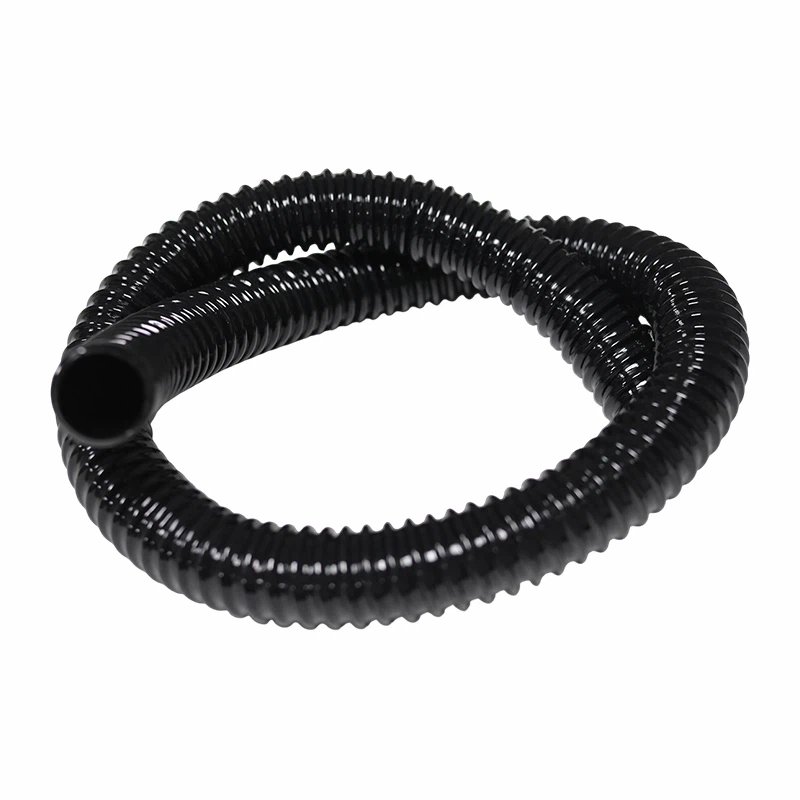
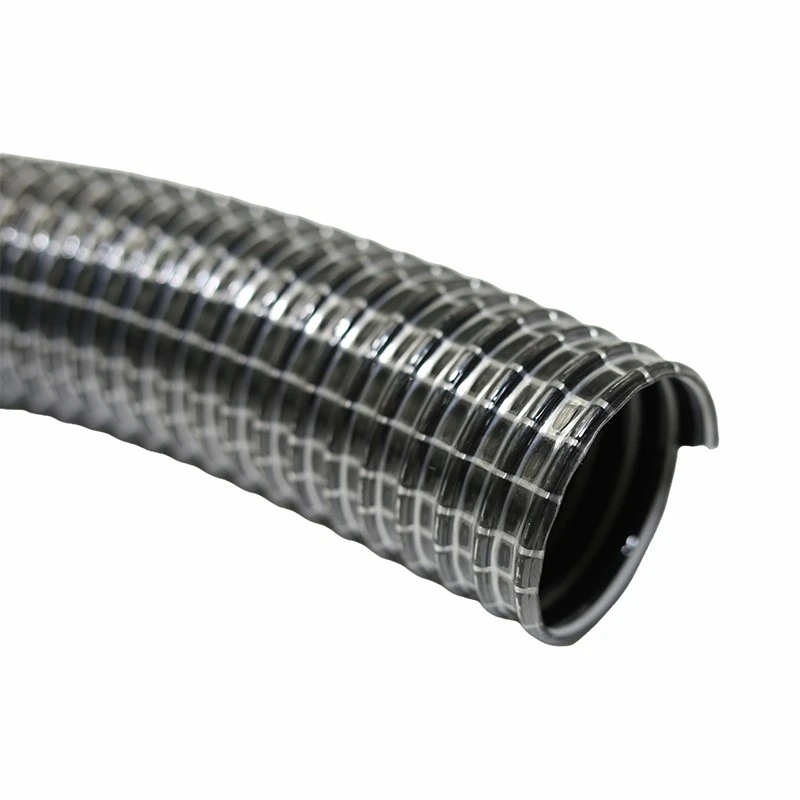
On the other hand, some light oils with low chemical reactivity might be okay to transfer using helix PVC hoses, but only under specific conditions. For instance, if the oil is at a relatively low temperature and doesn't contain any harsh chemicals, the hose may be able to handle it for a short period. However, it's always a good idea to do some testing first to make sure.
Another factor to consider is the pressure and temperature requirements of the oil transfer. Helix PVC hoses have their own pressure and temperature ratings. If the oil transfer involves high pressures or high temperatures, the PVC hose may not be able to withstand it. High pressures can cause the hose to burst, and high temperatures can make the PVC lose its strength and flexibility.
Now, if you're dealing with heavier oils like lubricating oils or hydraulic oils, the situation gets a bit more complicated. These oils are thicker and more viscous, which means they require a hose that can handle the flow of a more dense fluid. Helix PVC hoses may not have the right internal diameter or smoothness to ensure a proper flow of these heavy oils. Additionally, the additives and anti - wear agents in these oils can also have an effect on the PVC material.
However, there are some cases where helix PVC hoses can be used for oil transfer, but with some modifications or under strict conditions. For example, we can offer hoses with special linings or coatings that are more resistant to oil. These linings can act as a barrier between the oil and the PVC, protecting the hose from chemical attack.
If you're still considering using a helix PVC hose for oil transfer, here are some tips to keep in mind. First, always check the chemical compatibility of the oil with the PVC material. You can consult the oil manufacturer or a chemical expert to get more information. Second, make sure to follow the pressure and temperature ratings of the hose. Don't exceed these limits, as it can lead to failure. Third, inspect the hose regularly for any signs of damage, such as swelling, cracking, or leaks.
In some non - critical applications, helix PVC hoses can be a cost - effective option for oil transfer. For example, in small - scale DIY projects or for transferring small amounts of oil in a low - risk environment, they might work just fine. But for industrial or high - volume oil transfer applications, it's usually better to use hoses specifically designed for that purpose, like rubber or metal hoses.
We also offer other types of hoses that might be more suitable for oil transfer. Our Vacuum Hose and PVC Ducting Hose have different properties and can be used in various applications. While they may not be ideal for all oil transfer scenarios, they could be a good fit depending on your specific needs.
So, can helix PVC hose be used for oil transfer? The answer is it depends. In some cases, with the right oil, under the right conditions, and with proper precautions, it might be possible. But in many situations, especially when dealing with aggressive oils or high - stress applications, it's not the best choice.
If you're unsure about whether a helix PVC hose is suitable for your oil transfer needs, don't hesitate to get in touch with us. We have a team of experts who can help you determine the best hose for your specific application. Whether you need advice on chemical compatibility, pressure ratings, or just want to know more about our products, we're here to assist you. Let's have a chat and figure out the best solution for your oil transfer requirements.
References
- "Handbook of Plastic Materials and Technology" by Irvin I. Rubin
- "Chemical Resistance of Plastics and Elastomers" by Carl A. Harper


