



Can TPV Hose be used in cryogenic applications?
As a supplier of TPV (Thermoplastic Vulcanizate) hoses, I often encounter inquiries from customers regarding the suitability of our products for cryogenic applications. Cryogenic applications involve extremely low temperatures, typically below -150°C (-238°F), and they present unique challenges for materials. In this blog post, I will delve into the properties of TPV hoses and explore whether they can be effectively used in cryogenic environments.
Understanding TPV Hoses
TPV is a type of thermoplastic elastomer that combines the properties of rubber and plastic. It offers excellent flexibility, chemical resistance, and weatherability, making it a popular choice for a wide range of applications, including automotive, industrial, and consumer products. TPV hoses are known for their durability, ease of processing, and cost - effectiveness.
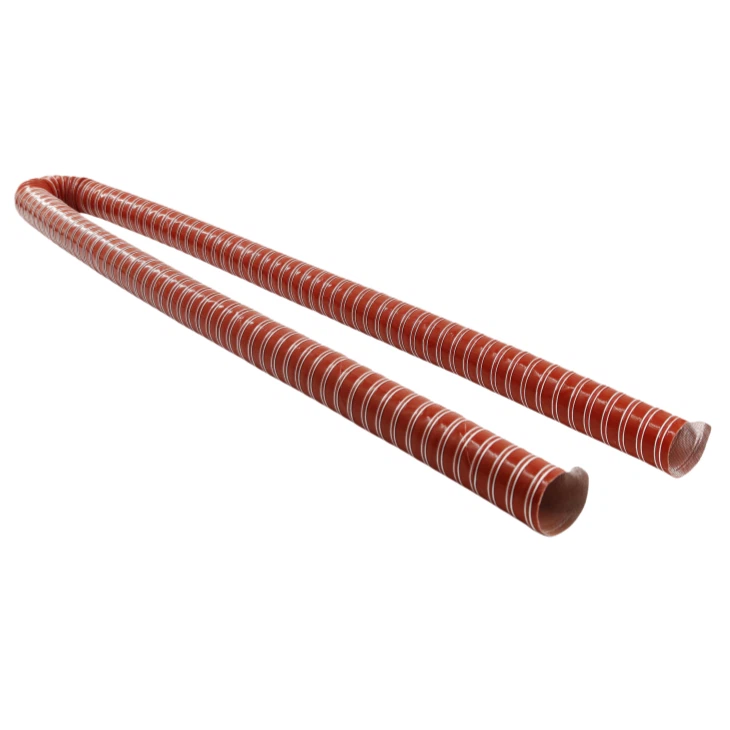

The structure of TPV hoses usually consists of an inner tube, reinforcement layer, and outer cover. The inner tube is responsible for containing the fluid or gas being transported, while the reinforcement layer provides strength and pressure resistance. The outer cover protects the hose from external factors such as abrasion, chemicals, and UV radiation.
Challenges in Cryogenic Applications
Cryogenic applications demand materials that can withstand extreme cold without losing their mechanical properties. At low temperatures, many materials become brittle and prone to cracking, which can lead to leaks and system failures. Some of the key challenges in cryogenic applications include:
- Brittleness: As the temperature drops, the molecular mobility of materials decreases, causing them to become stiffer and more brittle. This can result in cracks forming under stress, especially during bending or vibration.
- Contraction: Materials contract as they cool, and different materials may contract at different rates. This differential contraction can create internal stresses within the hose, potentially leading to delamination or failure at the joints.
- Sealing: Maintaining a proper seal at cryogenic temperatures is crucial to prevent leaks. Gaskets and seals made from materials that become hard or lose their elasticity at low temperatures may fail to provide an effective seal.
Properties of TPV in Cryogenic Conditions
When considering the use of TPV hoses in cryogenic applications, it is essential to evaluate their performance under low - temperature conditions. Some of the relevant properties of TPV in cryogenic environments are as follows:
- Low - Temperature Flexibility: TPV generally exhibits good flexibility at relatively low temperatures compared to some other thermoplastics. However, as the temperature approaches cryogenic levels, its flexibility may be significantly reduced. The glass transition temperature (Tg) of TPV is an important parameter to consider. The Tg is the temperature at which the material changes from a rubbery state to a glassy state, and below this temperature, the material becomes brittle. Different formulations of TPV may have different Tg values, and those with lower Tg values are more likely to remain flexible at lower temperatures.
- Mechanical Strength: At cryogenic temperatures, the mechanical strength of TPV may change. While it may retain some of its strength, the material's ductility is likely to decrease, making it more susceptible to cracking under stress. The reinforcement layer in the TPV hose can play a crucial role in maintaining the overall strength of the hose at low temperatures.
- Chemical Resistance: TPV has good chemical resistance in normal operating conditions. However, in cryogenic applications, the interaction between the fluid being transported and the TPV material may change at low temperatures. Some chemicals may become more reactive or cause swelling or embrittlement of the TPV at cryogenic temperatures.
Case Studies and Research
There have been some studies and real - world applications that provide insights into the performance of TPV hoses in cryogenic conditions. In some cases, TPV hoses have been used in applications with moderately low temperatures, such as in the transportation of liquefied natural gas (LNG) at around - 162°C (-260°F). However, these applications often require careful selection of TPV formulations and proper design of the hose system.
For example, a study conducted on the use of TPV hoses in a cryogenic laboratory environment found that certain TPV formulations were able to maintain their integrity and flexibility at temperatures down to - 100°C (-148°F). However, at lower temperatures, the hoses showed signs of cracking and loss of flexibility. The study also highlighted the importance of proper insulation and support of the hoses to minimize stress and prevent damage.
Alternatives to TPV Hoses in Cryogenic Applications
If TPV hoses are not suitable for a particular cryogenic application, there are several alternative materials available. Some of these alternatives include:
- TPE Rubber Hose: TPE (Thermoplastic Elastomer) rubber hoses may offer different low - temperature performance characteristics compared to TPV. Some TPE formulations are specifically designed for low - temperature applications and may have better flexibility and resistance to cracking at cryogenic temperatures.
- SIL 2 Hose: SIL 2 hoses are made from silicone rubber, which has excellent low - temperature flexibility and can withstand cryogenic temperatures without becoming brittle. Silicone hoses are also known for their high chemical resistance and electrical insulation properties.
- 908H High Temperature PU Hose: Polyurethane (PU) hoses, such as the 908H High Temperature PU Hose, can also be considered for cryogenic applications. PU hoses have good abrasion resistance and mechanical strength, and some formulations can maintain their flexibility at relatively low temperatures.
Conclusion
In conclusion, the use of TPV hoses in cryogenic applications is a complex issue that depends on several factors, including the specific cryogenic temperature range, the type of fluid being transported, and the design of the hose system. While TPV hoses offer many advantages in normal operating conditions, their performance at cryogenic temperatures may be limited.
In moderately low - temperature cryogenic applications, with proper selection of TPV formulations and appropriate design considerations, TPV hoses may be a viable option. However, for applications involving extremely low temperatures, alternative materials such as TPE Rubber Hose, SIL 2 Hose, or 908H High Temperature PU Hose may be more suitable.
If you are considering using hoses in cryogenic applications, I encourage you to contact us for a detailed discussion. Our team of experts can help you evaluate the suitability of our TPV hoses or recommend alternative solutions based on your specific requirements. We are committed to providing high - quality hoses and excellent customer service, and we look forward to working with you to meet your cryogenic application needs.
References
- "Handbook of Thermoplastic Elastomers", edited by B. M. Walker and C. P. Rader.
- Research papers on cryogenic materials and hose performance from relevant scientific journals.


