



Does TPE Hose Have Good Electrical Insulation?
As a TPE hose supplier, I've encountered numerous inquiries about the electrical insulation properties of TPE hoses. In this blog, I'll delve into the science behind TPE's electrical insulation capabilities, explore real - world applications, and discuss the factors that influence its performance.
Understanding TPE and Its Electrical Characteristics
Thermoplastic Elastomers (TPE) are a class of polymers that combine the characteristics of thermoplastics and elastomers. They are known for their flexibility, durability, and ease of processing. When it comes to electrical insulation, TPE has some inherent properties that make it a suitable candidate.
TPE materials typically have high resistivity, which is a measure of a material's ability to resist the flow of electric current. Resistivity is the reciprocal of conductivity, and materials with high resistivity are good insulators. The molecular structure of TPE plays a crucial role in its electrical insulation properties. The long - chain polymer molecules in TPE are arranged in a way that restricts the movement of electrons, thus preventing the flow of electric current.
For example, in a standard electrical environment, a well - made TPE hose can effectively isolate electrical charges. In a simple electrical circuit, if a TPE hose is used to cover a wire, it can prevent the leakage of electricity to the surrounding environment, protecting both the equipment and the users from electrical hazards.
Real - World Applications of TPE Hoses in Electrical Insulation
TPE hoses find wide applications in various industries where electrical insulation is required.
In the automotive industry, TPE hoses are used to protect electrical wiring harnesses. These hoses provide a flexible and durable protective layer that shields the wires from mechanical damage, moisture, and electrical interference. For instance, in modern cars, the wiring for the engine control unit, sensors, and lighting systems is often protected by TPE hoses. This not only ensures the proper functioning of the electrical components but also enhances the safety of the vehicle.
In the electronics industry, TPE hoses are used in the manufacturing of electronic devices. They can be used to insulate cables and wires in computers, smartphones, and other consumer electronics. The flexibility of TPE allows for easy installation in tight spaces, and its excellent insulation properties prevent short - circuits and electrical malfunctions.
Another important application is in the power generation and distribution industry. TPE hoses can be used to insulate high - voltage cables, protecting them from environmental factors such as moisture, dust, and UV radiation. This helps to maintain the integrity of the electrical infrastructure and reduces the risk of power outages.
Factors Affecting the Electrical Insulation of TPE Hoses
While TPE hoses generally have good electrical insulation properties, several factors can affect their performance.
Temperature: Temperature has a significant impact on the electrical insulation of TPE hoses. As the temperature increases, the resistivity of TPE may decrease, which means that the hose may become a better conductor of electricity. This is because at higher temperatures, the polymer molecules in TPE have more energy and are more likely to allow the movement of electrons. Therefore, in high - temperature environments, special TPE formulations may be required to maintain good electrical insulation.
Moisture: Moisture can also degrade the electrical insulation of TPE hoses. Water is a good conductor of electricity, and if the TPE hose is exposed to moisture, it can create a conductive path for electric current. This can lead to electrical leakage and potential safety hazards. To mitigate this issue, TPE hoses can be treated with water - repellent coatings or made from materials with high moisture resistance.
Chemical Exposure: Exposure to certain chemicals can also affect the electrical insulation properties of TPE hoses. Some chemicals can react with the TPE material, causing it to swell, degrade, or change its electrical properties. For example, strong acids or alkalis can damage the molecular structure of TPE, reducing its resistivity. When using TPE hoses in chemical environments, it's important to choose a material that is resistant to the specific chemicals present.
Comparing TPE Hoses with Other Insulating Materials
There are other materials commonly used for electrical insulation, such as rubber and PVC. Each material has its own advantages and disadvantages.
Rubber is a traditional insulating material known for its excellent flexibility and high dielectric strength. However, rubber can be more expensive than TPE, and it may require more complex processing. PVC is another popular insulating material. It is relatively inexpensive and has good chemical resistance. But PVC may be less flexible than TPE and may not be suitable for applications where high flexibility is required.
TPE hoses offer a good balance between cost, performance, and flexibility. They are easy to process, have good electrical insulation properties, and can be customized to meet specific application requirements.
Our TPE Hose Offerings
As a TPE hose supplier, we offer a wide range of TPE hoses with different specifications to meet the diverse needs of our customers. Our hoses are designed to provide excellent electrical insulation in various environments.
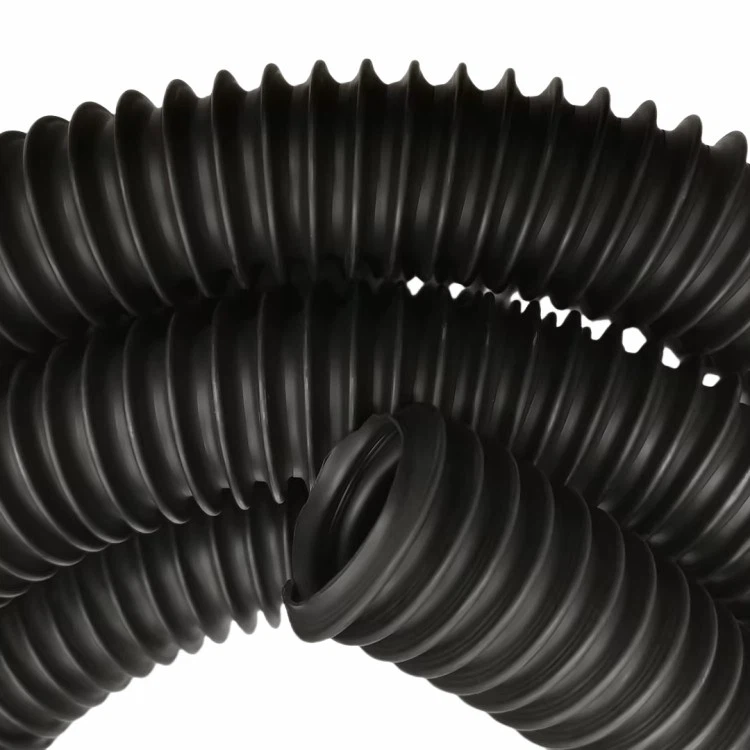
One of our popular products is the Chemical Smoke Hose. This hose is not only resistant to chemicals but also has good electrical insulation properties. It is suitable for applications in chemical plants, laboratories, and other environments where both chemical resistance and electrical insulation are required.
We also offer custom - made TPE hoses. Our experienced team can work with you to develop hoses with specific electrical insulation properties, taking into account factors such as temperature, moisture, and chemical exposure.
Conclusion
In conclusion, TPE hoses generally have good electrical insulation properties, which make them suitable for a wide range of applications in various industries. However, the performance of TPE hoses can be affected by factors such as temperature, moisture, and chemical exposure. As a TPE hose supplier, we are committed to providing high - quality hoses that meet the electrical insulation requirements of our customers.
If you are interested in purchasing TPE hoses for your electrical insulation needs, we encourage you to contact us for a detailed discussion. Our team of experts can help you choose the right hose for your specific application and provide you with all the necessary technical support.

References
- "Handbook of Thermoplastic Elastomers" by Bhupendra K. Patel
- "Electrical Insulation Materials and Systems" by J. C. Fothergill


