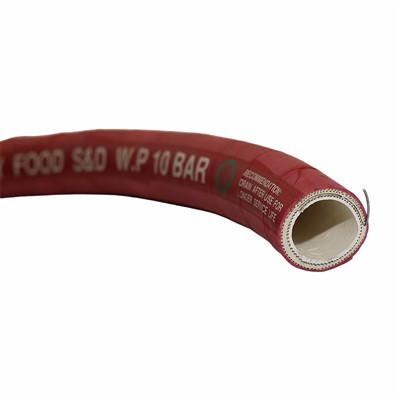

Hey there! I'm a supplier of PU food hoses, and I know how important it is to keep these hoses clean. A clean PU food hose not only ensures the quality and safety of the food it transports but also extends the lifespan of the hose itself. In this blog, I'll share with you how I clean a PU food hose.
Why Cleaning a PU Food Hose is Crucial
First off, let's talk about why cleaning a PU food hose is so crucial. PU food hoses are used to transfer all kinds of food products, like milk, fruit juices, and even some semi - solid foods. If these hoses aren't cleaned properly, residues can build up inside. This can lead to the growth of bacteria and mold, which is a huge no - no when it comes to food safety. Plus, dirty hoses can affect the taste and quality of the food being transferred. And let's not forget about the wear and tear. Residue can cause abrasion on the inner walls of the hose, shortening its lifespan.
Pre - Cleaning Checks
Before you start cleaning, there are a few checks you need to do. First, inspect the hose for any visible damage, like cracks or holes. If you find any, it's best to replace the hose rather than trying to clean it. Next, make sure the hose is disconnected from any equipment. This will prevent any accidental spills or contamination during the cleaning process.
Gather Your Cleaning Supplies
To clean a PU food hose, you'll need a few supplies. You'll need a mild detergent that's safe for food contact. Avoid using harsh chemicals as they can damage the PU material. You'll also need warm water, a soft - bristle brush, and a clean cloth. If the hose is really dirty, you might want to consider using a food - grade sanitizer.
The Cleaning Process
Step 1: Rinse the Hose
Start by rinsing the hose with warm water. This will help to remove any loose debris or large particles of food. You can do this by running water through the hose for a few minutes. Make sure to cover the entire length of the hose.
Step 2: Prepare the Detergent Solution
Mix the mild detergent with warm water in a bucket according to the manufacturer's instructions. The solution should be a light, soapy mixture.
Step 3: Clean the Inside of the Hose
Use a soft - bristle brush to apply the detergent solution to the inside of the hose. You can insert the brush into the hose and gently scrub the walls. Pay special attention to any areas where residue seems to be stuck. You may need to move the brush back and forth a few times to get a thorough clean.
Step 4: Flush the Hose
After scrubbing, flush the hose with warm water again. This will remove the detergent and any remaining debris. Keep flushing until the water runs clear.
Step 5: Sanitize (Optional but Recommended)
If you're dealing with a particularly dirty hose or one that's used for high - risk food products, you can use a food - grade sanitizer. Dilute the sanitizer according to the instructions and run it through the hose. Let it sit for the recommended time, usually a few minutes, and then flush the hose again with clean water.


Step 6: Clean the Outside of the Hose
Don't forget about the outside of the hose. Use a clean cloth soaked in the detergent solution to wipe down the exterior. This will remove any dirt or grime that may have accumulated on the surface.
Step 7: Dry the Hose
Once you've finished cleaning, dry the hose thoroughly. You can hang it up to air - dry or use a clean, dry cloth to wipe it down. Make sure the hose is completely dry before storing it.
Special Considerations for Different Situations
If the Hose is Used for Viscous Liquids
If the hose is used to transfer viscous liquids like honey or syrup, you may need to use a more concentrated detergent solution. You can also soak the hose in the solution for a longer period to help break down the sticky residue.
If the Hose has a Strong Odor
Sometimes, a PU food hose can develop a strong odor. To get rid of the odor, you can add a small amount of white vinegar to the cleaning water. Vinegar is a natural deodorizer and can help to freshen up the hose.
Other Related Hoses
If you're also interested in other types of food - grade hoses, we have some great options. Check out our PVC Food Grade Hoses and PVC Food Hose. These hoses are made from high - quality PVC and are suitable for a variety of food transfer applications. We also have Liquid Transfer Hose which is great for transferring all kinds of liquids.
Conclusion
Cleaning a PU food hose is not that difficult, but it does require some attention to detail. By following these steps, you can ensure that your hose remains clean, safe, and in good working condition. If you have any questions about cleaning or if you're interested in purchasing a PU food hose, don't hesitate to reach out. We're here to help you with all your food hose needs. Whether you're a small - scale food producer or a large - scale manufacturing plant, we have the right hose for you. So, if you're in the market for a high - quality PU food hose or need more information on how to maintain it, get in touch with us for a purchase negotiation.
References
- General knowledge on food - grade hose maintenance and cleaning.
- Manufacturer's guidelines for PU food hoses.