



As a supplier of helix PVC hoses, I often get asked about the various properties of these hoses, and one question that comes up quite frequently is whether helix PVC hoses are resistant to fungi. In this blog post, I'll delve into this topic, exploring the factors that affect fungal resistance in helix PVC hoses and providing a comprehensive answer to this important question.
Understanding Helix PVC Hoses
Before we discuss fungal resistance, let's briefly understand what helix PVC hoses are. Helix PVC hoses are made from polyvinyl chloride (PVC), a synthetic plastic polymer known for its durability, flexibility, and chemical resistance. These hoses are characterized by a helical reinforcement, which provides added strength and stability. They are widely used in various applications, including ventilation, vacuum systems, and industrial fluid transfer.
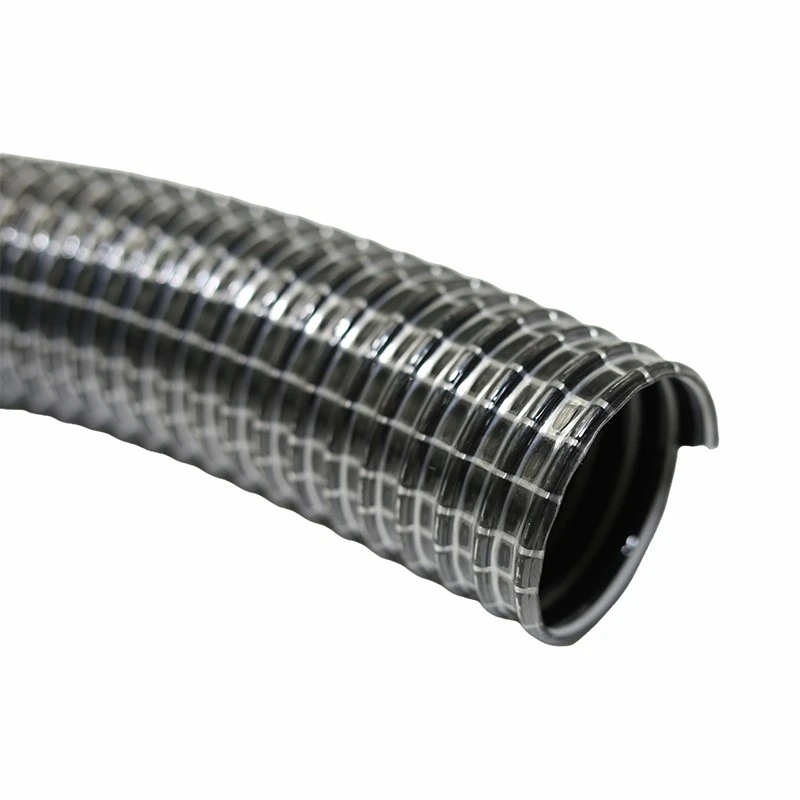

There are different types of helix PVC hoses available, such as PVC Ducting Hose, Vacuum Hose, and Spiral Helix PVC Hose. Each type is designed to meet specific requirements, but they all share the common feature of being made from PVC with a helical structure.
Factors Affecting Fungal Growth
Fungi are microorganisms that thrive in moist, warm, and dark environments. They can grow on a variety of surfaces, including plastics, if the conditions are right. Several factors can influence the growth of fungi on helix PVC hoses:
Moisture
Moisture is one of the most critical factors for fungal growth. If helix PVC hoses are exposed to high humidity or come into contact with water for extended periods, they can provide an ideal environment for fungi to grow. For example, in a ventilation system where the air contains a lot of moisture, or in an industrial setting where the hose is used to transfer liquids, the presence of moisture can increase the risk of fungal contamination.
Temperature
Fungi generally grow best in temperatures between 20°C and 30°C (68°F and 86°F). While helix PVC hoses can withstand a wide range of temperatures, if they are used in an environment within this optimal temperature range for fungi, the likelihood of fungal growth increases.
Nutrient Availability
Fungi need nutrients to grow. Although PVC itself is not a rich source of nutrients, dirt, dust, and organic matter that accumulate on the surface of the hose can provide the necessary nutrients for fungal growth. For instance, if the hose is used in a dirty industrial environment or is not cleaned regularly, the buildup of debris can support fungal colonization.
Surface Texture
The surface texture of the hose can also affect fungal growth. A smooth surface is less likely to harbor fungi compared to a rough or porous surface. Helix PVC hoses typically have a relatively smooth surface, which can make it more difficult for fungi to attach and grow. However, if the surface is damaged or scratched, it can create crevices where fungi can take hold.
Fungal Resistance of Helix PVC Hoses
Now, let's address the main question: Is helix PVC hose resistant to fungi? The answer is that it depends on several factors, including the formulation of the PVC, the presence of additives, and the environmental conditions in which the hose is used.
PVC Formulation
The basic PVC material used in helix PVC hoses has some inherent resistance to fungi. PVC is a relatively inert material that does not readily support the growth of microorganisms. However, the specific formulation of the PVC can affect its fungal resistance. Some manufacturers may add antimicrobial agents to the PVC during the manufacturing process to enhance its resistance to fungi and other microorganisms. These additives can help prevent the growth of fungi on the surface of the hose.
Environmental Conditions
As mentioned earlier, the environmental conditions play a crucial role in determining whether fungi will grow on the hose. If the hose is used in a dry, clean, and well-ventilated environment, the risk of fungal growth is relatively low. On the other hand, if the hose is exposed to high moisture, warm temperatures, and a source of nutrients, the likelihood of fungal contamination increases.
Maintenance
Proper maintenance of the helix PVC hose can also contribute to its fungal resistance. Regular cleaning of the hose to remove dirt, dust, and organic matter can help prevent the buildup of nutrients that fungi need to grow. Additionally, inspecting the hose for damage and replacing it if necessary can reduce the risk of fungal colonization in damaged areas.
Testing and Certification
To ensure the fungal resistance of helix PVC hoses, some manufacturers conduct testing to evaluate their performance. These tests typically involve exposing the hose to specific fungal strains under controlled conditions and measuring the growth of fungi on the surface of the hose over a period of time.
There are also industry standards and certifications related to fungal resistance. For example, some hoses may be certified to meet certain standards for use in environments where microbial contamination is a concern, such as in the food and beverage industry or in healthcare facilities.
Conclusion
In conclusion, helix PVC hoses can have varying degrees of resistance to fungi depending on the factors discussed above. While the basic PVC material has some inherent resistance, the addition of antimicrobial additives, the environmental conditions, and proper maintenance all play important roles in determining the hose's ability to resist fungal growth.
If you are considering using helix PVC hoses in an environment where fungal contamination is a concern, it is important to choose a hose that is specifically designed for such applications. Look for hoses that have been tested and certified for fungal resistance, and follow the manufacturer's recommendations for installation, use, and maintenance.
If you have any questions about our helix PVC hoses or would like to discuss your specific requirements, please feel free to contact us. We are here to help you find the right hose solution for your needs and ensure its long-term performance.
References
- ASTM International. (Year). Standard test methods for determining the resistance of plastics to fungi. ASTM D3273.
- ISO. (Year). International standard for evaluating the resistance of plastics to fungi. ISO 846.
- Manufacturer's technical data sheets on helix PVC hoses.


