



Hey there! As a supplier of TPV (Thermoplastic Vulcanizate) hoses, I've been getting a lot of questions lately about the flexibility of these amazing products. So, I thought I'd take a few minutes to break it down for you and share why TPV hoses are such a great choice for a wide range of applications.
First off, let's talk about what flexibility really means in the context of hoses. Flexibility refers to a hose's ability to bend and conform to different shapes and angles without kinking or losing its structural integrity. This is super important because it allows the hose to be installed in tight spaces, around corners, and in other challenging environments where a rigid hose just wouldn't work.
One of the key factors that makes TPV hoses so flexible is the material they're made from. TPV is a blend of thermoplastic and rubber, which combines the best properties of both materials. The thermoplastic component provides strength and durability, while the rubber component gives the hose its flexibility and elasticity. This unique combination allows TPV hoses to withstand high pressures and temperatures while still being able to bend and flex easily.
Another advantage of TPV hoses is their resistance to chemicals and abrasion. This means that they can be used in a variety of industries, including automotive, aerospace, and industrial manufacturing, where they may come into contact with harsh chemicals or rough surfaces. The flexibility of TPV hoses also makes them easier to install and maintain, which can save time and money in the long run.
So, how does the flexibility of TPV hoses compare to other types of hoses? Well, let's take a look at a few examples.
TPE Rubber Hose
The TPE Rubber Hose is another popular option for many applications. TPE (Thermoplastic Elastomer) is a similar material to TPV, but it generally has less flexibility and durability. While TPE rubber hoses can be a good choice for low-pressure applications, they may not be suitable for high-pressure or high-temperature environments.
908H High Temperature PU Hose
The 908H High Temperature PU Hose is designed for use in high-temperature applications. PU (Polyurethane) is a strong and durable material, but it is also relatively rigid and less flexible than TPV. This means that the 908H hose may be more difficult to install in tight spaces or around corners.
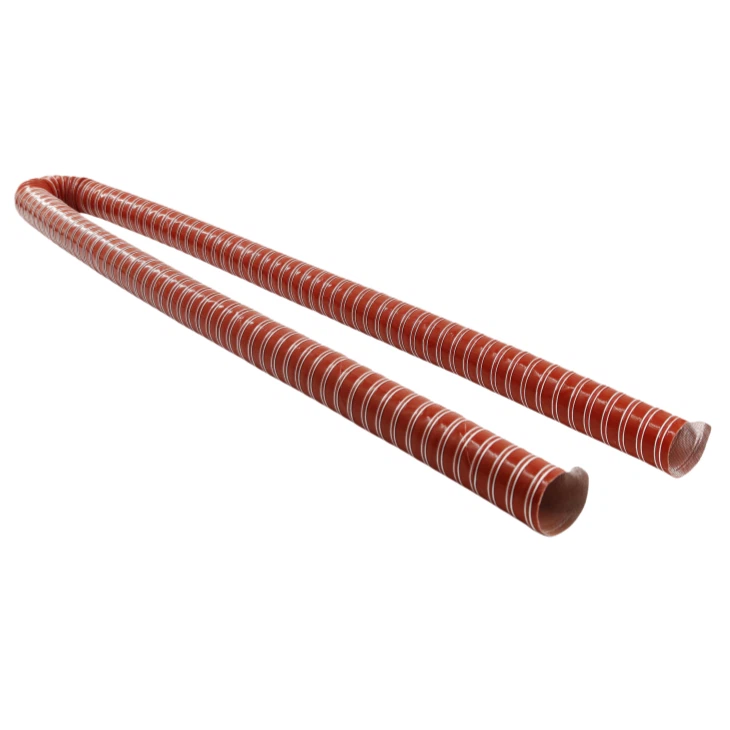

SIL 2 Hose
The SIL 2 Hose is a high-performance hose that is used in critical applications where safety is a top priority. SIL (Safety Integrity Level) 2 hoses are designed to meet strict safety standards and are typically made from materials that are resistant to fire, chemicals, and other hazards. While SIL 2 hoses are very reliable, they can be more expensive and less flexible than TPV hoses.
As you can see, TPV hoses offer a unique combination of flexibility, durability, and chemical resistance that makes them a great choice for a wide range of applications. Whether you're looking for a hose for your automotive, aerospace, or industrial manufacturing needs, TPV hoses are definitely worth considering.
If you're interested in learning more about TPV hoses or have any questions about our products, please don't hesitate to contact us. We'd be happy to help you find the right hose for your specific needs and provide you with a quote.
In conclusion, the flexibility of TPV hoses is one of their key advantages. It allows them to be installed in challenging environments, withstand high pressures and temperatures, and resist chemicals and abrasion. When compared to other types of hoses, TPV hoses offer a unique combination of performance and value that makes them a top choice for many industries. So, if you're in the market for a new hose, be sure to give TPV hoses a closer look.
References
- Various industry reports on hose materials and their properties.
- Internal research and testing data from our company on TPV hoses.


