



Hey there! As a TPE hose supplier, I often get asked about the lifespan of TPE hoses. It's a crucial question, especially for those who rely on these hoses in their daily operations. So, let's dive right in and explore what affects the lifespan of TPE hoses and how you can make them last longer.
First off, what is TPE? TPE stands for Thermoplastic Elastomer. It's a type of material that combines the best properties of rubber and plastic. TPE hoses are known for their flexibility, durability, and resistance to various chemicals and environmental factors. They're used in a wide range of applications, from industrial settings to automotive and even in household appliances.
Now, let's talk about the factors that can influence the lifespan of TPE hoses.
1. Operating Conditions
One of the biggest factors is the operating conditions. If the hose is exposed to extreme temperatures, either hot or cold, it can significantly reduce its lifespan. For example, in a high - temperature environment, the TPE material may start to degrade over time. The heat can cause the hose to become brittle, lose its flexibility, and eventually crack. On the other hand, in extremely cold conditions, the hose may become stiff and more prone to damage when bent or flexed.
Another aspect of operating conditions is the pressure. If the hose is constantly subjected to high pressure, it can put a lot of stress on the material. Over time, this stress can lead to internal damage, such as delamination or the formation of small cracks. These cracks can then grow and eventually cause the hose to fail.
2. Chemical Exposure
TPE hoses are generally resistant to many chemicals, but not all. If the hose comes into contact with chemicals that it's not compatible with, it can cause the material to break down. For instance, some strong solvents or acids can dissolve or weaken the TPE material. This can lead to leaks, reduced flexibility, and a shorter lifespan. It's important to know what chemicals the hose will be exposed to and choose a TPE hose that's specifically designed to handle those chemicals. You can check out our Chemical Smoke Hose for hoses that are suitable for chemical - related applications.
3. Physical Damage
Physical damage is another common cause of a shortened lifespan for TPE hoses. This can include things like abrasion, cuts, and punctures. If the hose rubs against rough surfaces or is hit by sharp objects, it can damage the outer layer of the hose. Once the outer layer is damaged, the inner layers are more vulnerable to further damage and environmental factors.
4. Installation and Maintenance
Proper installation and maintenance are key to extending the lifespan of TPE hoses. During installation, it's important to make sure that the hose is not kinked or twisted. Kinks can restrict the flow of fluid or gas through the hose and also put extra stress on the material. Twists can cause uneven wear and tear on the hose.

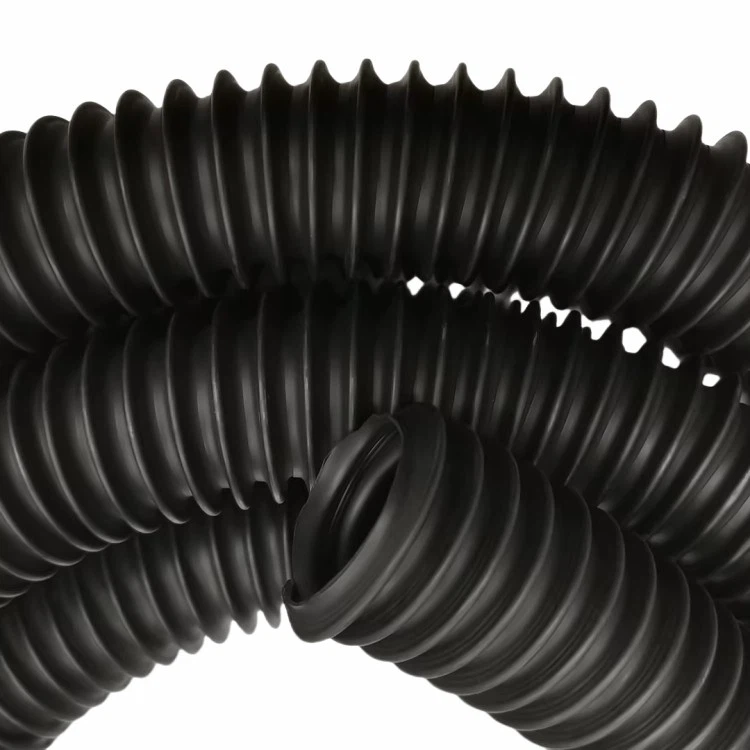
Regular maintenance is also essential. This includes checking the hose for signs of damage, such as cracks, leaks, or bulges. If you notice any problems, it's important to replace the hose as soon as possible to prevent further damage or potential safety hazards.
How Long Can a TPE Hose Last?
It's difficult to give an exact lifespan for TPE hoses because it depends on all the factors we've discussed above. In general, under normal operating conditions with proper installation and maintenance, a TPE hose can last anywhere from 3 to 10 years. However, if the hose is exposed to harsh conditions or is not maintained properly, its lifespan could be significantly shorter, maybe just a year or two.
Tips to Extend the Lifespan of TPE Hoses
- Choose the Right Hose: Make sure you select a TPE hose that's suitable for your specific application. Consider factors like temperature, pressure, and chemical exposure.
- Proper Installation: Follow the manufacturer's instructions carefully when installing the hose. Avoid kinks and twists.
- Regular Inspections: Check the hose regularly for signs of damage. Look for cracks, leaks, or any changes in the appearance of the hose.
- Clean and Store Properly: If the hose is not in use, clean it thoroughly and store it in a cool, dry place away from direct sunlight and chemicals.
Conclusion
The lifespan of a TPE hose can vary greatly depending on the operating conditions, chemical exposure, physical damage, and how well it's installed and maintained. As a TPE hose supplier, we're here to help you choose the right hose for your needs and provide you with the information you need to make it last as long as possible.
If you're in the market for TPE hoses or have any questions about their lifespan or application, don't hesitate to reach out to us. We're always happy to have a chat and assist you in finding the best solution for your business. Let's work together to ensure you get the most out of your TPE hoses!
References
- "Thermoplastic Elastomers: A Comprehensive Review" - Journal of Polymer Science
- Manufacturer's guidelines for TPE hoses


