



When it comes to transferring drinking water, safety is of paramount importance. As a trusted food grade PU hose supplier, I'm often asked if food grade PU hoses are safe for this purpose. In this blog, I'll take a deep - dive into this question, exploring the properties of food grade PU hoses, their safety aspects, and relevant industry standards.
Understanding Food Grade PU Hoses
Polyurethane (PU) is a versatile polymer known for its excellent mechanical and chemical properties. Food grade PU hoses are specifically formulated to meet the strict requirements for contact with food and drinking water. These hoses are made from materials that are non - toxic and do not leach harmful substances into the water.
One of the key features of food grade PU hoses is their flexibility. They can be easily bent and maneuvered, making them suitable for various applications, including those in tight spaces. This flexibility is crucial in drinking water transfer systems, as it allows for easy installation and routing of hoses without the need for complex fittings.
Another notable characteristic is their durability. Food grade PU hoses can withstand a wide range of temperatures and pressures. They are resistant to abrasion, which means they can last for a long time even in harsh environments. This durability ensures that the hoses maintain their integrity during the drinking water transfer process, reducing the risk of leaks and contamination.
Safety Considerations
The safety of food grade PU hoses for drinking water transfer mainly depends on two aspects: the material itself and compliance with relevant standards.
Material Safety: The food grade PU used in these hoses is carefully selected to ensure it does not contain harmful chemicals such as heavy metals (e.g., lead, mercury), phthalates, or other toxic substances. These hoses are designed to be in direct contact with drinking water without introducing any contaminants that could pose a health risk.
For example, the manufacturing process of high - quality food grade PU hoses involves strict quality control measures. The raw materials are sourced from reliable suppliers and are thoroughly tested to meet the required safety standards. During production, the hoses are subjected to various checks to ensure that there are no defects, such as cracks or holes, that could allow contaminants to enter the water supply.
Compliance with Standards: There are several well - recognized international and domestic standards for hoses used in food and drinking water applications. One of the most important ones is the Food and Drug Administration (FDA) standard in the United States. Hoses that comply with FDA regulations are considered safe for contact with food and drinking water.
Our company offers FDA Certified Food Grade Ether PU Hose Reinforced With Stainless Steel Wire. This hose not only meets the FDA requirements but is also reinforced with stainless steel wire, which enhances its strength and durability. This makes it an ideal choice for drinking water transfer, especially in applications where higher pressure resistance is needed.
Applications in Drinking Water Transfer
Food grade PU hoses have a wide range of applications in the transfer of drinking water.
In residential settings, they can be used for connecting water tanks to faucets or for filling water containers. Their flexibility and ease of use make them a convenient option for homeowners. For example, a small - scale water storage system in a backyard can use a food grade PU hose to transfer water from the tank to a garden hose for watering plants or to a kitchen sink for domestic use.
In commercial and industrial applications, food grade PU hoses are used in water treatment plants, beverage production facilities, and restaurants. In water treatment plants, these hoses are used to transfer treated drinking water from one processing unit to another. In beverage production, they are essential for transferring water during the manufacturing process to ensure the quality and safety of the final products.
We also offer Candy Suction And Delivery Hose, which, although mainly designed for the candy industry, is also made of food grade materials and can be used in some drinking water - related applications where gentle suction and delivery are required.

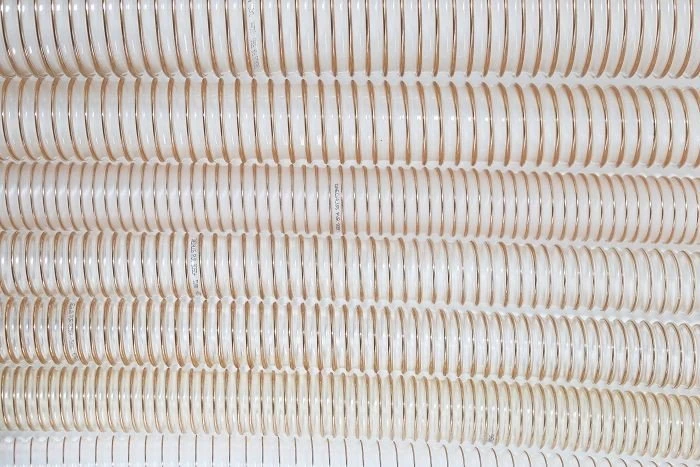
Similarly, our Food Grade Compressible Hose is highly versatile. It can be used in situations where the hose needs to be compressed or bent frequently, such as in mobile water supply systems or in areas with limited space.
Maintenance and Long - Term Safety
To ensure the long - term safety of using food grade PU hoses for drinking water transfer, proper maintenance is essential.
Regular cleaning is the first step. Hoses should be cleaned periodically to remove any dirt, debris, or biofilm that may accumulate inside. This can be done by flushing the hoses with clean water or using mild detergents that are approved for use with food contact materials.
Inspection is also crucial. Check the hoses regularly for signs of wear and tear, such as cracks, bulges, or leaks. If any damage is found, the hose should be replaced immediately to prevent contamination of the drinking water.
Storage of the hoses is another important aspect. They should be stored in a cool, dry place away from direct sunlight and chemicals. Exposure to extreme temperatures or harsh chemicals can degrade the material of the hose over time, reducing its safety and performance.
Conclusion
In conclusion, food grade PU hoses are generally safe for drinking water transfer. Their non - toxic materials, compliance with strict industry standards, and excellent mechanical properties make them a reliable choice for a wide range of applications. However, it's important to ensure proper selection, installation, and maintenance of the hoses to guarantee the long - term safety of the drinking water supply.
If you are in the market for high - quality food grade PU hoses for drinking water transfer or other food - related applications, we are here to help. We have a wide range of products to meet your specific needs. Contact us to discuss your requirements and start a procurement negotiation. We are committed to providing you with the best products and services.
References
- "Food Contact Materials and Articles - Regulations and Standards" by the World Health Organization.
- "Polyurethane Materials: Properties and Applications" in a polymer science textbook.
- "Guidelines for the Safe Use of Hoses in Drinking Water Systems" from a national water safety agency.


